

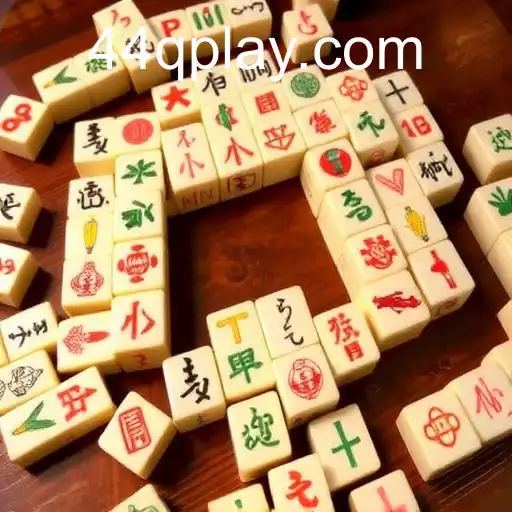
Understanding the Classic Game of Mahjong
Mahjong, a game with deep roots in Chinese culture, has captured the interest of people worldwide. Known for its intricate gameplay and strategic depth, Mahjong is often both a social pastime and a competitive sport. This article delves into the many layers of this timeless game, touching on its history, various styles, and its international appeal.
The Origins and Evolution of Mahjong
The origins of Mahjong date back to the Qing Dynasty in China. Initially played by the elite, it gradually spread throughout the country and eventually around the globe. The standard Mahjong set consists of 144 tiles based on Chinese characters and symbols, including suits like bamboo, dots, and characters. 63C
Each tile set is a representation of different facets of life or nature, and their meanings can vary. The game's growth in popularity has led to the creation of numerous versions, including American Mahjong, which incorporates Western elements and additional rules.
The Core Mechanics of Mahjong
The objective of Mahjong is to build a complete hand by drawing and discarding tiles. A standard game is played with four players, although variations exist for three or even two players. Players aim to create a winning hand from sets of tiles called melds, akin to poker hands. Strategizing the optimal combination of drawn tiles is key to mastering the game.ftf777
Each turn sees a player drawing a tile and deciding whether to keep or discard it. This continues until one player forms a legal hand, declares "Mahjong," and wins the round. The strategic decisions involve predicting opponents' moves and using memory skills to track the whereabouts and potential future appearance of specific tiles. 5419.com
Different Variations of Mahjong
Mahjong's worldwide popularity has given rise to numerous variations, each with its own unique rules and characteristics. While traditional Chinese Mahjong sticks closely to its historical roots, other styles have emerged, offering different challenges.
Japanese Mahjong (Riichi)
Japanese Mahjong, or Riichi, stands out with its additional layer of complexity and scoring. It encompasses unique rules like the Riichi declaration, where players declare they are one move away from winning. The inclusion of dora indicators also adds a twist, which increases the potential score for certain tiles. This version of Mahjong is played diligently in Japan, with avid followers and competitive leagues.
American Mahjong
American Mahjong, which gained traction in the early 20th century, includes more tiles and integrates jokers. The gameplay is influenced by specific annual card rules issued by the National Mahjong League, making each season unique. Distinctively, American Mahjong incorporates the use of a Charleston, an exchange of tiles before the commencement of each round, thus adding another layer to strategy development.
Other Regional Variations
Beyond Japanese and American variations, many regions around the world have developed their own versions of the game. For instance, Filipino Mahjong introduces unconventional rules and tile arrangements, while the Vietnamese and Korean versions offer their twists, all contributing to the global richness of the game.UBBet
Mahjong: A Game of Skill and Strategy
Mahjong is more than just a game of chance. It requires analytical thinking and strategies akin to those used in chess and bridge. Winning requires knowledge of game rules, awareness of opponents' strategies, and the capacity to foresee possible tile variations.
Players also benefit from a strong grasp of memory. The ability to remember tiles and predict potential moves can significantly tilt the game in one's favor. This intellectual aspect of Mahjong makes it not only a fun pastime but also an excellent exercise for the mind.BET4484
Key Strategies
Effective Mahjong players develop robust strategies to outwit opponents. Building an adaptable hand, recognizing patterns, and carefully managing discards are all essential elements. Adjusting strategies according to the available tiles and opponents’ actions is crucial to maintaining an edge.
Moreover, adopting defensive tactics can deter opponents from completing their hands. Experienced players learn to interpret discarded tiles and likely hands their opponents are building, pivoting their own play to disrupt potential wins.
Mahjong's Impact on Global Culture
Since its introduction in the Western world, Mahjong has transcended being a mere game to become an important cultural touchstone. Its influences can be seen in films, literature, and more. Social Mahjong gatherings are commonplace, providing an avenue for community presence and cultural exchange.
Companies have also used Mahjong as a theme for digital products and online games. Online Mahjong platforms offer players worldwide the opportunity to enjoy the game anytime and anywhere, digitally connecting fans across the globe and promoting a shared appreciation for this traditional game.
Conclusion
Mahjong remains a game cherished by millions for its mixture of skill, luck, and culture. As it continues to evolve, Mahjong keeps drawing generations of new players, ensuring its relevance and appeal in a modern world where people are always looking for ways to connect and challenge themselves intellectually.